FIND N FORM may earn a commission if you buy through links on this page, at no extra cost to you. As an Amazon Associate, we earn from qualifying purchases.
Petroleum jelly is cheap and easy to find, but does it actually help dry skin? Here's what it does, its real benefits, and how to use it correctly.
Most people already own a jar of petroleum jelly. It sits at the back of a bathroom cabinet, half-forgotten, until winter makes your heels crack or your lips split and you reach for it without really knowing whether it is actually good for your skin or just an old habit.
Search online and you will find both extremes: people who swear by it for everything, and people who insist it clogs pores and suffocates skin. Neither claim tells you what petroleum jelly is actually for, where it genuinely helps, and where it falls short. This guide walks through what petroleum jelly does, its real benefits for dry skin, and how to use it so it actually works instead of just sitting on top of your skin doing very little.
Quick answer: Petroleum jelly is genuinely useful for very dry skin because it seals moisture in rather than adding it. It works best on cracked heels, chapped lips, dry hands and cuticles, applied in a thin layer over slightly damp skin or over a regular moisturizer. It is not a substitute for a hydrating moisturizer on its own, and it is not medically proven to clog pores or cause breakouts for most people, though anyone with active acne on the treated area may prefer a lighter option.
What Petroleum Jelly Actually Does to Skin
Petroleum jelly is what dermatology calls an occlusive. That means it works by forming a thin, water-resistant layer on top of your skin. It does not add water or nutrients to your skin the way a cream or serum does. Instead, it slows down how fast the water already in your skin escapes into the air.
This is why it works so well on already-damp skin and so poorly on completely dry skin used alone. Sealing in moisture that is already there is a very different job from adding moisture that is not there. Understanding this one distinction explains most of the confusion around whether petroleum jelly “works.”
The Real Benefits of Petroleum Jelly for Dry Skin
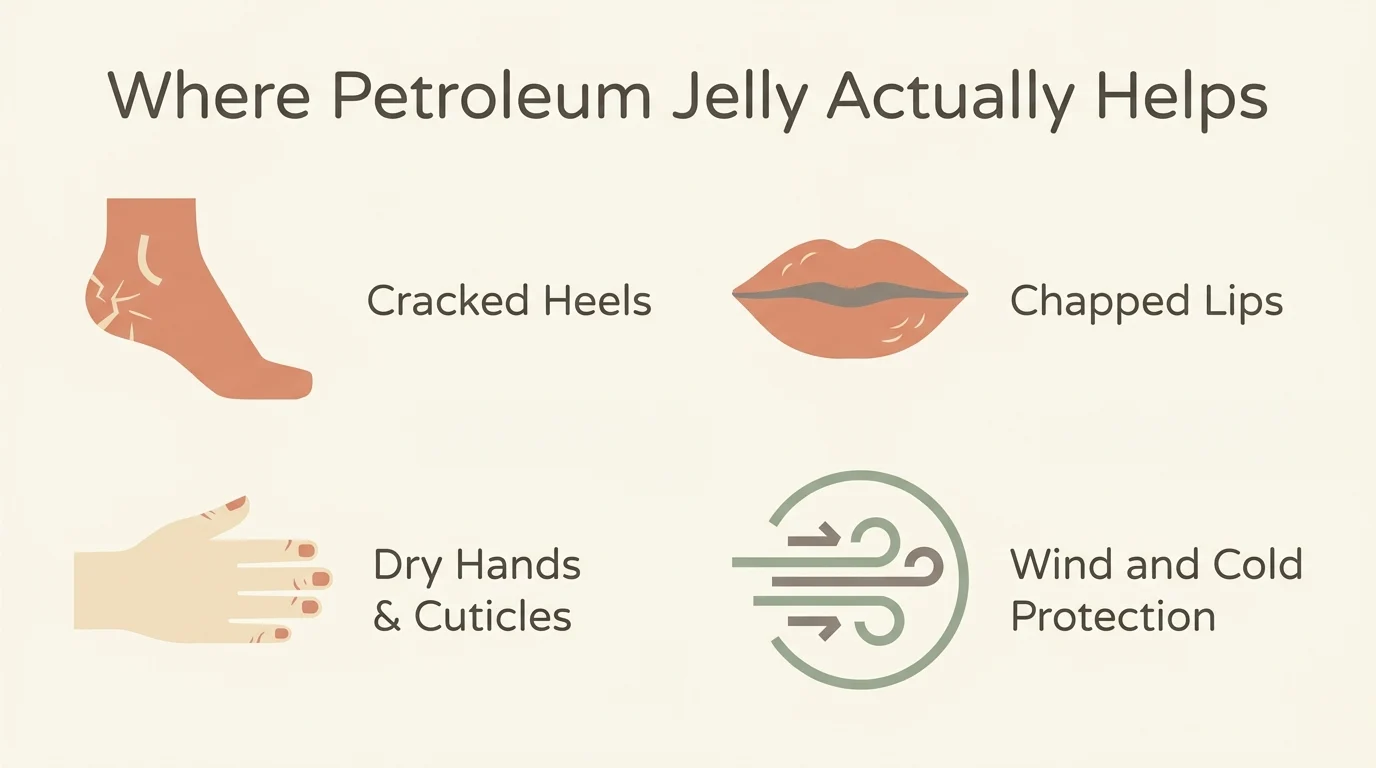
Petroleum jelly is not a cure for every skin problem, but for a specific set of situations, it genuinely helps.
Cracked heels. Heels have no oil glands, so they dry out and crack faster than almost anywhere else on the body. A thick layer of petroleum jelly, especially overnight under socks, helps seal in moisture while the skin repairs itself.
Chapped lips. Lip skin is thin and has no oil glands either, which is why lips crack first in cold or windy weather. Petroleum jelly forms a barrier that reduces further water loss while your lips heal on their own.
Dry hands and cuticles. Frequent hand washing strips natural oils faster than most other parts of the body. A small amount rubbed into hands and cuticles at night helps hold in whatever moisture is left after washing.
Protection against wind and cold. On exposed skin like the face and hands, a thin layer can reduce how much moisture wind and cold pull out during the day, which matters most for people who commute outdoors in dry winter air.
Petroleum jelly is most useful on the driest, most exposed parts of the body.
Is Petroleum Jelly Bad for Your Skin?
Not based on current dermatological understanding. A few specific concerns come up often, so it is worth addressing them directly.
“It clogs pores.” Petroleum jelly is generally considered non-comedogenic, meaning it does not block pores the way some heavier oils can. It sits on top of skin rather than absorbing into pores. That said, using it on already-clogged or acne-prone skin without cleansing first is not a great idea, since it can trap whatever was already sitting on the skin underneath it.
“It suffocates skin.” Skin does not breathe the way lungs do, so this concern is based on a misunderstanding of how skin works. What petroleum jelly actually does is slow water loss, not block oxygen.
Purity and grade. Cosmetic-grade petroleum jelly sold for skin use goes through a refining process that is different from industrial-grade petroleum products. Buying a reputable, labeled skin-care or pharmacy product rather than an unmarked industrial substitute is the sensible precaution here.
How to Use Petroleum Jelly the Right Way
Because petroleum jelly seals rather than hydrates, how and when you apply it changes how well it actually works.
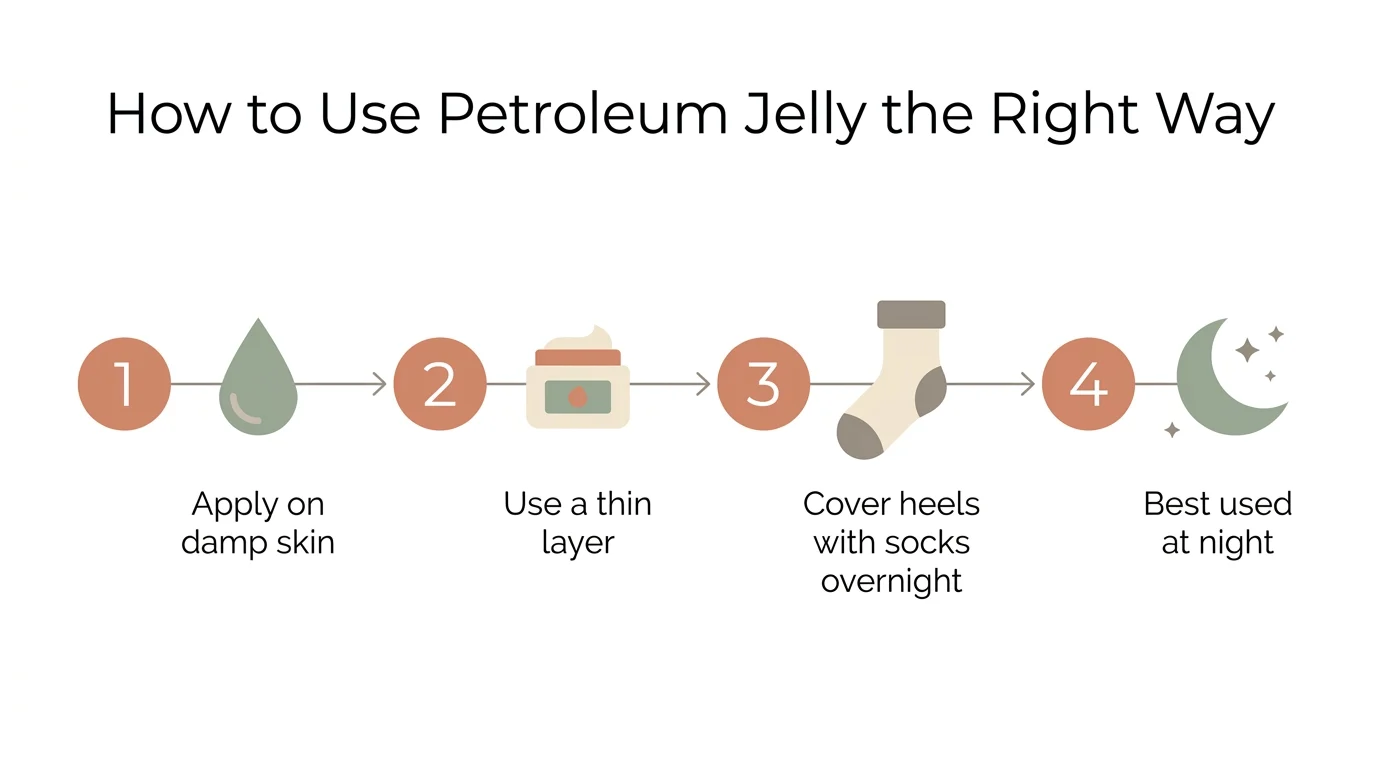
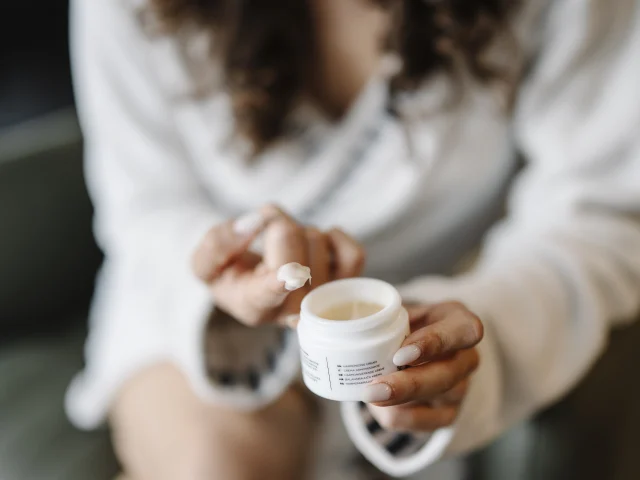
Apply it on damp skin, not dry skin. Right after a shower or after washing your face, while skin still holds some water, is when petroleum jelly does its best work. Sealing in existing moisture only helps if there is moisture to seal.
Use a thin layer. A small amount goes a long way. A thick, greasy layer does not seal any better than a thin one, and it is more likely to transfer onto clothes, pillowcases or bedsheets.
Cover cracked heels with socks overnight. Apply a slightly thicker layer to heels before bed, then wear a pair of soft cotton socks. This keeps the jelly in place and lets it work through the night instead of rubbing off within minutes.
Layer it over a moisturizer rather than replacing one, at night. Applying petroleum jelly as the final step over a regular moisturizer, sometimes called slugging, seals in the moisturizer’s actives and water content for longer. Our guide to layering skincare products covers this kind of layering order in more detail. If you are still choosing that base layer, see how to pick a daily moisturizer that suits your skin.
A thin layer over damp skin works better than a thick layer on dry skin.
Petroleum Jelly vs a Regular Moisturizer: What’s the Difference
These two products solve different problems, which is why the better answer is often both, not one instead of the other.
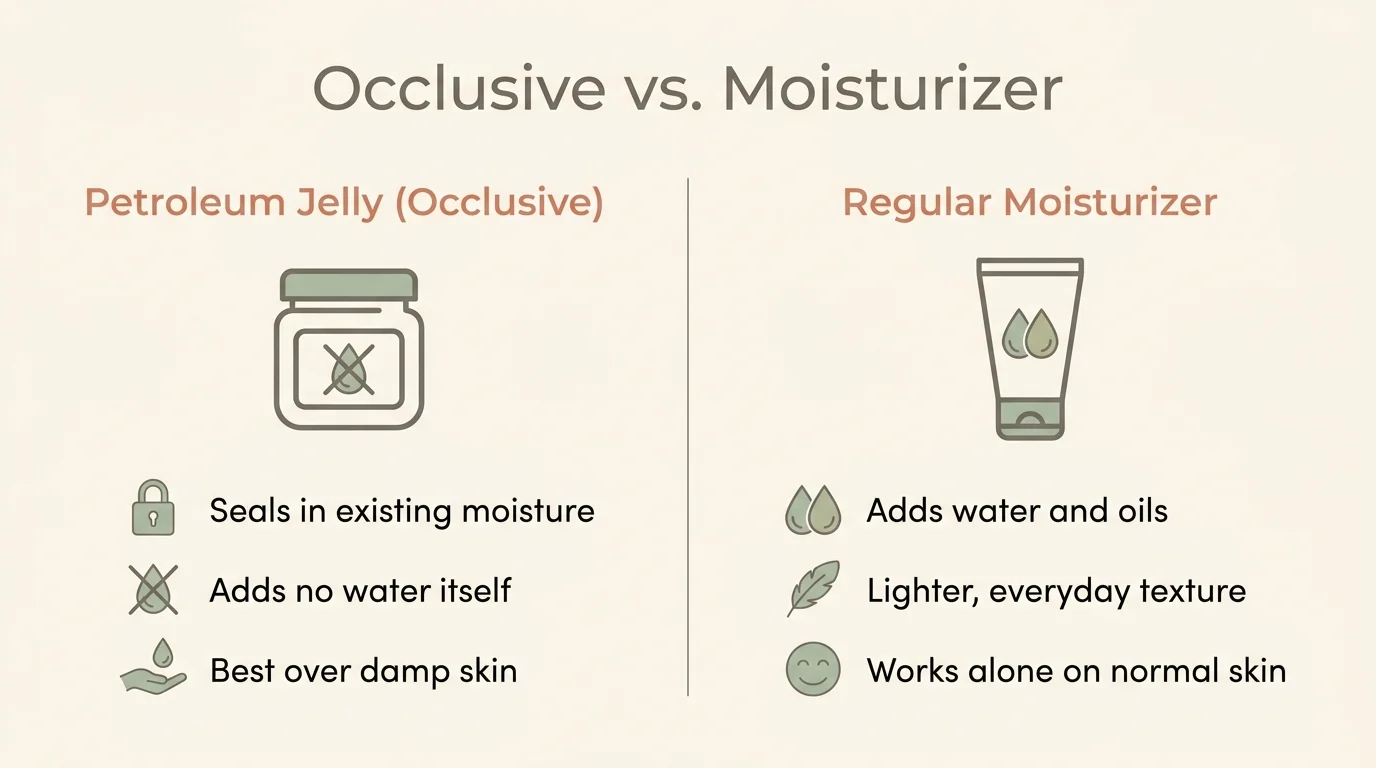
What it does: petroleum jelly seals in moisture that is already there. A moisturizer adds water and, depending on the formula, oils or humectants that draw water in.
Texture: petroleum jelly is thick and waxy with no absorption. Most moisturizers are lighter and sink in within a few minutes.
Best used: a moisturizer works well on its own for normal to mildly dry skin. Petroleum jelly works best layered on top for very dry patches, cracked heels, lips or overnight use.
Where each falls short: a moisturizer alone may not be enough once skin is already cracked or very dry. Petroleum jelly alone on fully dry skin has little to hold onto, so it does less than people expect.
Petroleum jelly and a moisturizer solve different problems. Many routines need both.
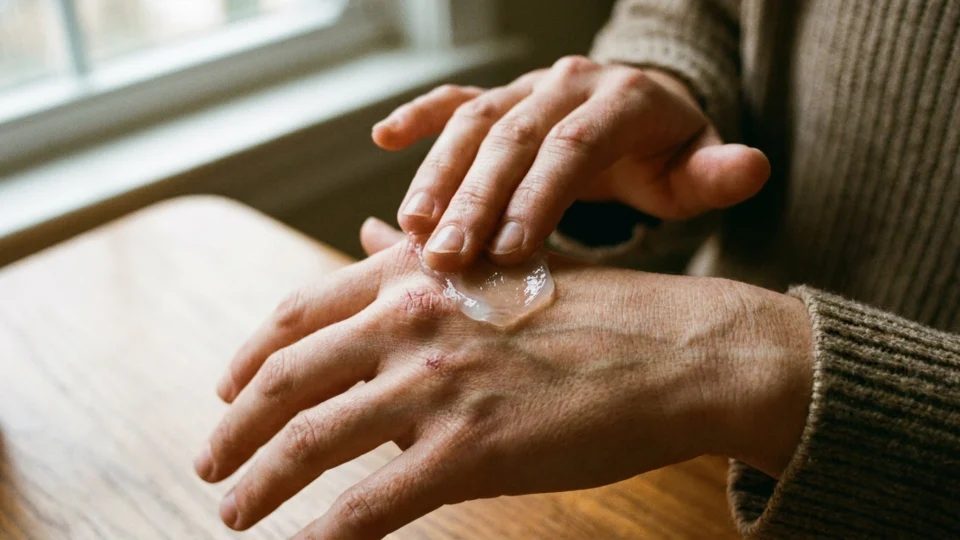
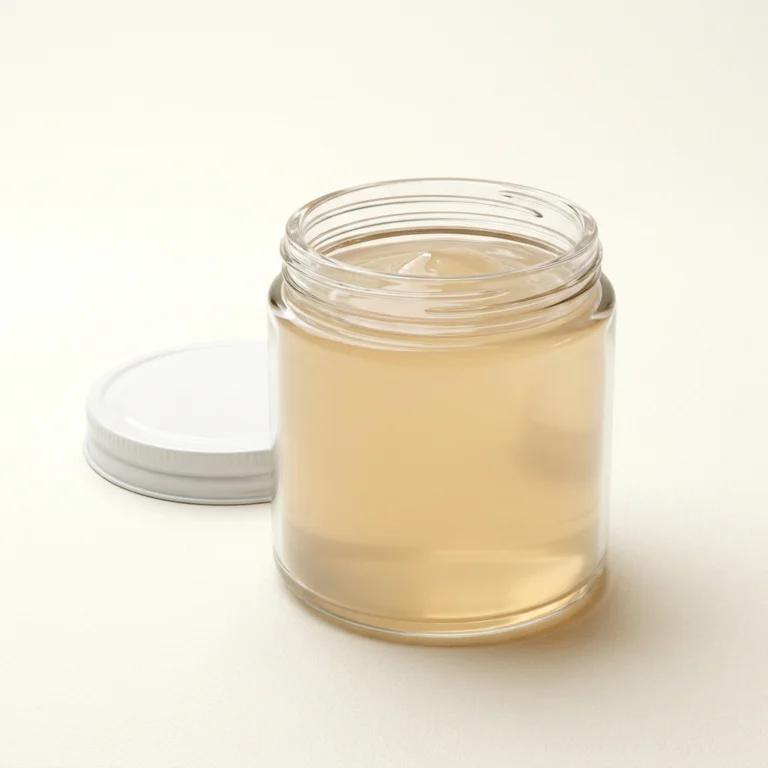
Representative editorial image, not official Amazon product photography.
Research-based evaluation
Pure Petroleum Jelly Skin Protectant
Why we picked it: Petroleum jelly is one of the simplest and cheapest ways to seal moisture into very dry skin, without added fragrance or actives that can irritate already-stressed skin.
Best for
Cracked heels, chapped lips, dry hands and other very dry patches that need a simple, long-lasting seal.
Strength
Very effective at sealing in existing moisture on cracked heels, lips and hands
Watch out for
Adds no water or active ingredients of its own, so it works best over damp skin or a moisturizer rather than alone
If your usual moisturizer has already stopped feeling like enough this season, our winter skincare guide for dry skin covers the other routine changes worth making before reaching for something heavier.
Who Should Be Careful With It
Petroleum jelly is low-risk for most people, but it is not the right choice for everyone or every situation.
If you have active acne on your face, a heavy occlusive layer over unclean or actively breaking-out skin can trap bacteria and oil underneath it. A lighter, non-comedogenic moisturizer is usually the safer daytime choice for acne-prone facial skin.
It is not a sunscreen and offers no meaningful UV protection, so it should never replace sunscreen during the day.
It can stain pillowcases, socks and clothing if applied generously, so use it sparingly on visible areas or plan around fabric contact.
It is not a treatment for eczema, psoriasis or an underlying skin condition. It can be a comfortable part of managing dryness alongside a doctor’s guidance, but persistent or worsening skin issues are worth a dermatologist’s opinion rather than self-treating indefinitely.
Petroleum jelly earns its place in a skincare routine, but only for the job it is actually built for: sealing in moisture that is already there. Used on damp skin, over a moisturizer, or under socks on cracked heels, it is one of the cheapest and most reliable ways to deal with the driest parts of your body. Used alone on already-dry skin, or as a substitute for a real moisturizer or sunscreen, it will not do the job you are asking of it.
Don't Miss the Next Guide
Get seasonal skincare tips, honest product guides and comparisons from FIND N FORM, sent straight to your inbox.
This guide is based on general dermatological understanding of occlusive ingredients, skin barrier function and comparative analysis of skincare guidance. It is not based on personal testing of any single product.
Many people do this safely, especially in the driest months, as long as the face is clean before application and the skin is not actively acne-prone. If you have oily or breakout-prone skin, a lighter occlusive or a dedicated night moisturizer is usually a better everyday fit.
Does petroleum jelly clog pores?
Not for most people. It is generally considered non-comedogenic and sits on top of skin rather than absorbing into it. The main risk is applying it over already-dirty or unwashed skin, where it can trap what was underneath it rather than the jelly itself causing a blockage.
Can petroleum jelly help with cracked heels?
Yes, it is one of the more effective simple options for this specific problem. Apply a thick layer to clean, slightly damp heels before bed and cover with cotton socks overnight. Most people notice softer skin within a few nights of consistent use.
Is petroleum jelly safe to use on babies?
Plain, unscented petroleum jelly is commonly used for minor dryness on babies’ skin, but keep it away from the nose and mouth area and check with a pediatrician first if the skin looks irritated, broken, or unusual, since a baby’s skin can react differently than an adult’s.
This article may contain Amazon affiliate links. As an Amazon Associate, FIND N FORM earns from qualifying purchases, at no extra cost to you. Our recommendations are never determined by commission.
One response to “Is Petroleum Jelly Good for Dry Skin? Benefits and How to Use It”
[…] no ingredients that can irritate already-cracked skin and it holds moisture in for hours. Our guide to petroleum jelly for dry skin covers how it works and where it helps […]




[…] no ingredients that can irritate already-cracked skin and it holds moisture in for hours. Our guide to petroleum jelly for dry skin covers how it works and where it helps […]