
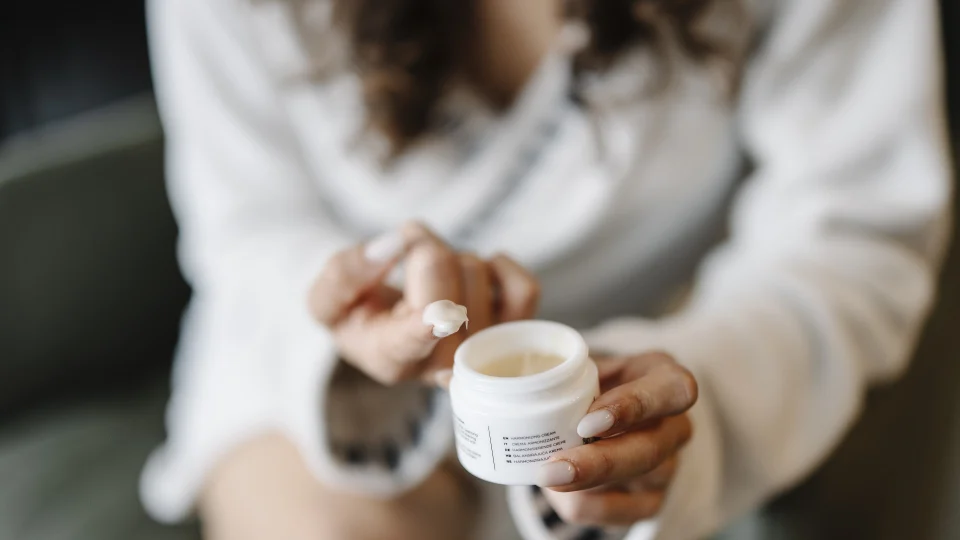

Skincare marketing moves fast, but the basics of choosing a daily moisturizer haven’t changed much: what your skin actually needs, and whether the product delivers it without irritation.
Quick answer: Match the formula to your skin type first, patch-test before full-face use, and treat marketing claims like "clinically proven" as a starting point for research, not a guarantee.
Start With Skin Type, Not Marketing Claims
A lightweight gel formula and a rich cream solve different problems. Reading the actual texture and intended skin type on a listing matters more than trend-driven ingredient names.
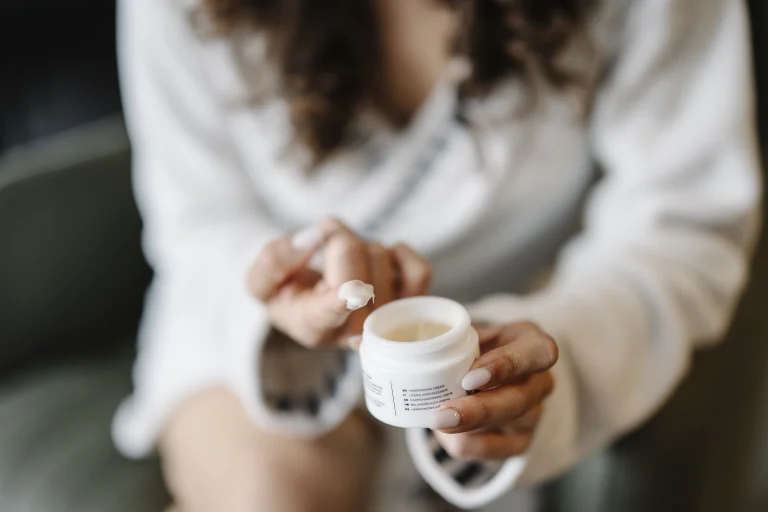
Representative editorial image — not official Amazon product photography.
Daily Hydrating Face Moisturizer
Why we picked it: A basic, well-formulated daily moisturizer is the foundation of most skincare routines before anything more targeted is added.
- Best for
- Someone building or simplifying a daily skincare routine.
- Strength
- Simple enough for sensitive or reactive skin to trial
- Watch out for
- Not a substitute for a dedicated night cream or treatment product
Buying Considerations
- Skin type match (oily, dry, combination, sensitive)
- Fragrance-free vs fragranced, especially for reactive skin
- Whether it needs to layer under sunscreen or makeup
- Patch-testing before full-face use, every time — even for products marketed as gentle
Frequently Asked Questions
Is a more expensive moisturizer automatically better?
Not necessarily — price often reflects packaging, brand marketing and specific actives rather than base effectiveness for simple daily hydration. Matching formula to skin type matters more than price alone.
How do you know if a moisturizer is working?
Skin feeling comfortable rather than tight, oily, or irritated over one to two weeks of consistent use is a reasonable basic signal — though this article reflects research and general skincare guidance, not personal testing of this specific product.



Leave a Reply