How to choose an insulated water bottle for India: how vacuum insulation works, steel vs copper vs plastic, the right capacity for office, gym, school and travel, and the claims worth checking.
By Atoofa Khushnood | Last reviewed: 28 October 2026
FIND N FORM is reader-supported. As an Amazon Associate I earn from qualifying purchases. This guide is based on research: brand and retailer information, public guidance and user feedback. We have not tested products for it, and it does not recommend any specific product.
In an Indian summer, cold water turns warm in your bag within an hour. In a North Indian winter, a flask of hot water or tea is the difference between a good morning and a bad one. An insulated bottle solves both, if you pick the right one.
But listings throw around terms like “double wall”, “vacuum”, “18/8”, “food grade” and “24 hours cold”. Here’s what actually matters.
Quick answer
For most people in India, a double-wall vacuum-insulated stainless steel bottle (304 or 18/8 grade) of 500 ml to 1 litre is the best everyday choice. It keeps drinks cold or hot for hours and doesn’t hold smells.
Copper bottles are not insulated and shouldn’t be used for hot drinks. Plastic bottles are light and cheap but don’t insulate. Choose the size by your day, and check the lid, mouth width and cleaning ease.
How insulated bottles work (in one minute)
A vacuum-insulated bottle has two steel walls with the air removed between them. With almost no air, heat can’t move easily, so hot drinks stay hot and cold drinks stay cold.
Double-wall vacuum insulated: the real thing. This is what keeps water cold for hours.
Double-wall without vacuum: some insulation, much less than vacuum.
Single-wall steel: no insulation. Light and cheap, but water warms up quickly.
If the listing doesn’t clearly say “vacuum insulated”, assume it isn’t.
Steel vs copper vs plastic vs glass
Material
Keeps temperature?
Good for
Watch out for
Vacuum-insulated stainless steel
Yes, for hours
Office, travel, school, gym, hot and cold drinks
Heavier than plastic; dents can reduce insulation
Single-wall stainless steel
No
Light daily use, fridge water
Gets warm fast, sweats with cold water
Copper
No
Storing room-temperature water, if you like copper
Not for hot drinks, lemon water or juices; needs regular cleaning
Plastic (BPA-free)
No
Gym, kids, light carry
Can hold smells; avoid leaving in hot cars or sun
Glass
No
Home and desk use
Breakable; heavy
About steel grades
You’ll see 304 stainless steel or 18/8 (18% chromium, 8% nickel) on most good bottles. Both are common food-grade steels that resist rust and don’t add a metallic taste. 316 steel is more corrosion-resistant and costs more. For water, tea and coffee, 304 or 18/8 is enough for most people.
About copper bottles
Many Indian families use copper vessels for drinking water. If you like a copper bottle, use it only for plain room-temperature water, don’t store acidic drinks like lemon water in it, and clean it regularly. It won’t keep water cold or hot.
Choose the size by your day
Use
Suggested capacity
Why
Office desk + commute
750 ml to 1 litre
Fewer refills, fits most bag side pockets at 750 ml
School kids
350 to 600 ml
Light enough for small bags
Gym
500 ml to 1 litre
Easy to drink from quickly
Long travel, road trips
1 to 1.5 litres
Fewer stops for refills
Hot tea or coffee
350 to 500 ml
Smaller bottles keep heat better once opened
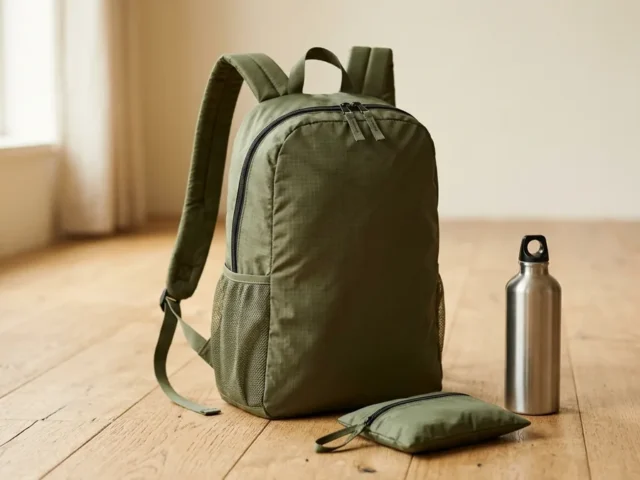
Check the height and diameter against your bag’s bottle pocket or your car’s cup holder before you buy.
The lid and mouth decide daily comfort
Wide mouth: easier to clean and to add ice. Can spill if you drink while walking.
Narrow mouth: easier to sip, holds temperature slightly better, harder to clean.
Sipper or straw lid: handy at the gym or desk, but straws need regular cleaning.
Screw cap: most leak-proof for bags. Check reviews for leaks before trusting it next to your laptop.
Flip lid with lock: quick to open; make sure the lock is sturdy.
If you carry your bottle in a laptop bag or backpack every day, a truly leak-proof lid matters more than any other feature. Our guide to office bags for women also covers bags with dedicated bottle pockets.
How to read “keeps cold 24 hours, hot 12 hours” claims
These numbers come from the brand’s own test conditions, usually with the bottle full, pre-cooled or pre-heated, and not opened. In real use, opening it often, filling it halfway, or leaving it in a hot car will shorten these times. Treat them as a way to compare bottles, not a promise.
Simple tips to get closer to the claim:
Pre-chill the bottle with cold water (or pre-heat with hot water) for a few minutes before filling.
Fill it close to full.
Keep it out of direct sun.
Cleaning and safety basics
Wash daily with warm water and a little dish soap. Use a bottle brush for the inside and the lid.
Take the lid apart if it has a silicone ring or straw, and clean those too. That’s where smell and mould build up.
Don’t put most insulated bottles in a dishwasher unless the brand says it’s safe, as heat can damage the vacuum seal or paint.
Don’t microwave steel bottles or put them in the freezer filled with water.
For milk-based tea or coffee, rinse the bottle as soon as you can.
Who can skip buying one
If you’re at home or a desk with a water purifier all day, a regular glass or steel bottle is enough.
If you mainly carry water for short trips in mild weather, a single-wall steel bottle is lighter and cheaper.
Don’t buy an insulated bottle mainly for “style” if a simpler one already does the job.
Before you buy online
Look for “double wall vacuum insulated” and the steel grade in the specifications.
Check capacity, weight, height and diameter.
Read reviews that mention leaks, smell, dents and paint peeling.
Check the warranty, especially for premium bottles.
What it is: A vacuum-insulated stainless steel bottle; the listing states 304 grade steel and 1000 ml.
Why we picked it: It shows the steel grade this guide asks you to look for, and 1 litre suits an office day with a commute. It has 4.1 stars from 30,659 ratings on Amazon.in.
Limitation: Treat the “24 hours” claim as a comparison, not a promise, as this guide explains, and check the height against your bag’s bottle pocket.
Best for: An office desk and a daily commute. Skip if: You want a small bottle for hot tea.
Price: ₹528 on Amazon.in (price checked on 31 Oct 2026). Prices change, so check the current price.
What it is: A 520 ml insulated bottle that the listing says uses SS304 stainless steel inside and out.
Why we picked it: This guide suggests 350 to 500 ml for hot tea or coffee, because smaller bottles keep heat better once opened. It has 4.1 stars from 25,408 ratings on Amazon.in.
Limitation: Like every insulated bottle, its “24 hour” claim is a comparison, not a promise. Check the lid if it will travel in a bag.
Best for: Hot tea or coffee on the go. Skip if: You need a full day’s water in one bottle.
Price: ₹716 on Amazon.in (price checked on 31 Oct 2026). Prices change, so check the current price.
For most people in India, a 500 ml to 1 litre double-wall vacuum-insulated stainless steel bottle (304 or 18/8 grade) is the best everyday choice. It handles hot summers and cold winters, doesn’t hold smells, and lasts years. Choose the size by your day, pick a leak-proof lid if it goes in your bag, and treat “24 hours” claims as a comparison, not a promise.
Frequently asked questions
Which is the best type of water bottle for daily use in India?
A double-wall vacuum-insulated stainless steel bottle of 500 ml to 1 litre suits most people. It keeps water cool in summer and drinks warm in winter, and it is easy to clean.
Is a copper bottle better than a steel bottle?
They do different jobs. Copper bottles are not insulated and are best for plain room-temperature water. Steel vacuum bottles keep drinks hot or cold and can hold tea or coffee.
Can I put hot water in a copper bottle?
It is better not to. Copper bottles are meant for room-temperature water, and they are not insulated, so they get hot to hold.
Is 304 stainless steel safe for drinking water?
Yes, 304 (also called 18/8) is a common food-grade stainless steel used in most good water bottles.
How long does an insulated bottle keep water cold?
Many brands claim 12 to 24 hours for cold drinks, based on their own tests with a full, closed bottle. Real-world times are usually shorter if you open it often or keep it in the heat.
Why does my steel bottle smell?
Usually because the lid, silicone ring or straw has not been cleaned properly. Take the lid apart and wash every piece with warm soapy water, then dry fully.
How we researched this guide: we compared bottle materials, insulation types and capacity options sold in India using brand specifications and customer feedback. Temperature claims are brand claims and were not independently verified. We did not test bottles for this guide, and it does not recommend a specific product. Read more about how we research.
Affiliate disclosure: As an Amazon Associate I earn from qualifying purchases. FIND N FORM is not owned, sponsored or endorsed by Amazon. Prices and offers change, so check the retailer for the current price.


Leave a Reply