
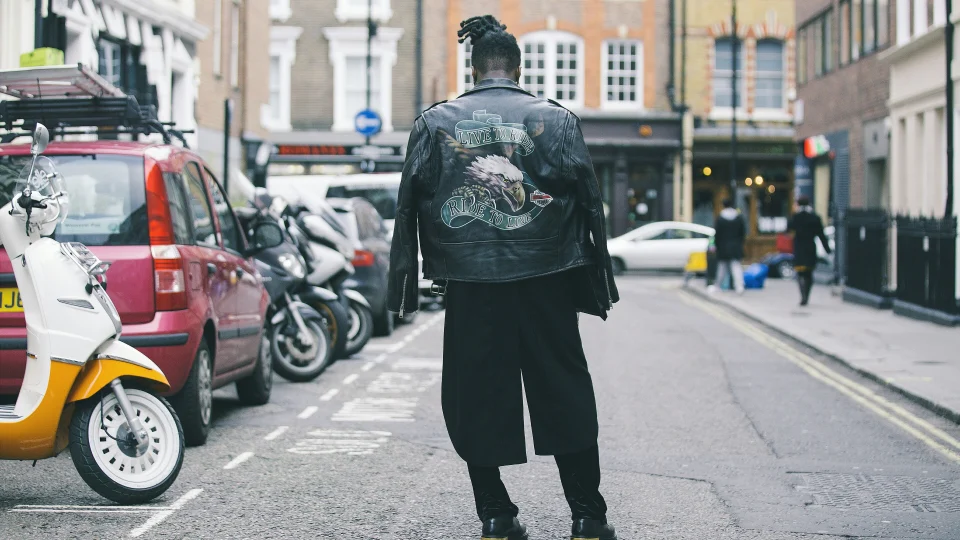

Most wardrobes don’t fail because they have too few clothes in them — they fail because too few of those clothes actually go together. Building a genuinely versatile wardrobe is less about buying more and more about buying pieces that can be recombined.
Quick answer: Build outward from a small set of neutral, well-fitting basics — then add colour and pattern in pieces that pair with everything you already own, rather than one-off statement items.
Start With Fit, Not Trend
A well-fitting basic piece will outlast several trend-driven purchases in actual rotation. Before adding anything new, it is worth being honest about which existing pieces in a wardrobe actually get worn — and why the rest do not.
Build a Neutral Core First
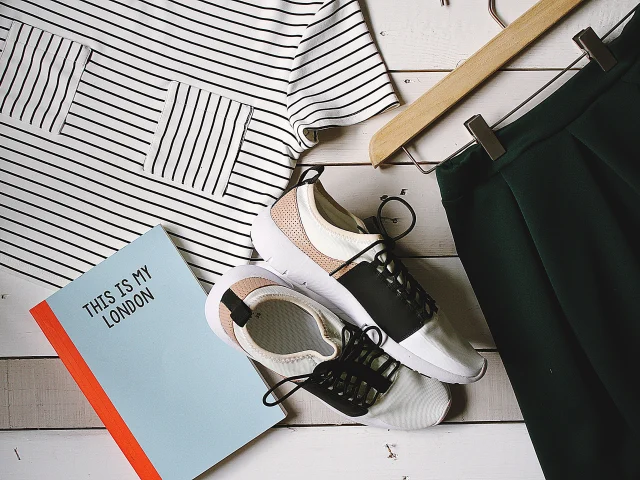
A small core of neutral tops, trousers and one versatile jacket gives the most combinations per item. Colour and pattern are easiest to add later, once the neutral base can absorb them.
Strengths
- Fewer items means less decision fatigue getting dressed
- Neutral pieces tend to hold resale or hand-me-down value better
Limitations
- Requires more discipline when shopping — it is easy to default back to one-off buys
- A too-narrow palette can feel repetitive without a few considered accent pieces
What to Consider Before Buying
- Does this piece pair with at least two things already owned?
- Is the fit right, or "right enough" — fit is hard to fix after the fact
- Fabric and construction quality for the price point
- Whether the piece fills an actual gap or just looks appealing in isolation
Frequently Asked Questions
How many pieces does a genuinely versatile wardrobe need?
There is no fixed number — it depends on lifestyle and climate. The more useful question is how many existing pieces are actually being worn versus sitting unused.
Is it worth paying more for basics?
Often yes for the pieces worn most often, since cost-per-wear drops fast on frequently used basics — but this is a general principle, not a guarantee for any specific product.
Leave a Reply