FIND N FORM may earn a commission if you buy through links on this page, at no extra cost to you. As an Amazon Associate, we earn from qualifying purchases.
Canvas shoes feel fine for a quick errand, then your feet complain by evening. Here is when they genuinely work for walking, and when they do not.
Canvas sneakers are an easy shoe to reach for. They are light, they go with almost anything casual, and they usually cost less than a dedicated sports shoe. The question comes up the moment you start using them for more than a quick trip to the store, when you are walking to the metro station, around a mall for an hour, or on a daily morning walk. Do they actually hold up, or are they quietly working against your feet?
The honest answer depends entirely on how much walking you are actually doing. This guide explains what canvas shoes are genuinely fine for, where they start to fall short, and how to tell which situation you are in before your feet tell you first.
Quick answer: Canvas shoes are fine for short, casual walking on flat, dry ground, think a walk to the bus stop or an hour of errands. They are not a good fit for long-distance walking, daily all-day wear, or wet weather, because they offer very little cushioning, almost no arch support, and the canvas upper is not weather resistant. If you are regularly on your feet walking for more than twenty or thirty minutes at a stretch, a shoe built specifically for walking will serve you better.
What Actually Makes a Shoe Good for Walking
Before judging canvas shoes specifically, it helps to know what a genuinely good walking shoe needs to do. It is not about looking sporty or having a thick sole for the sake of it.
Cushioning that absorbs impact. Every step sends force back up through your foot, ankle and knee. A cushioned sole spreads that impact out instead of letting your joints take it directly.
Some arch and heel support. A shoe that holds your foot’s natural shape reduces strain on the arch and the connective tissue underneath it, especially over longer distances.
A sole that does not go flat quickly. Support only helps if it lasts. A sole that compresses and flattens within a few weeks of regular wear stops doing its job early.
Enough structure to handle different surfaces. Pavement, gravel, wet tile and uneven ground all put different demands on a shoe, and a flexible but genuinely supportive sole handles that range better than a flat one.
Canvas shoes were never designed around this list. They were designed to be light, casual and inexpensive, which is exactly why they feel fine for short stretches and start to show their limits once the distance or the time on your feet goes up.
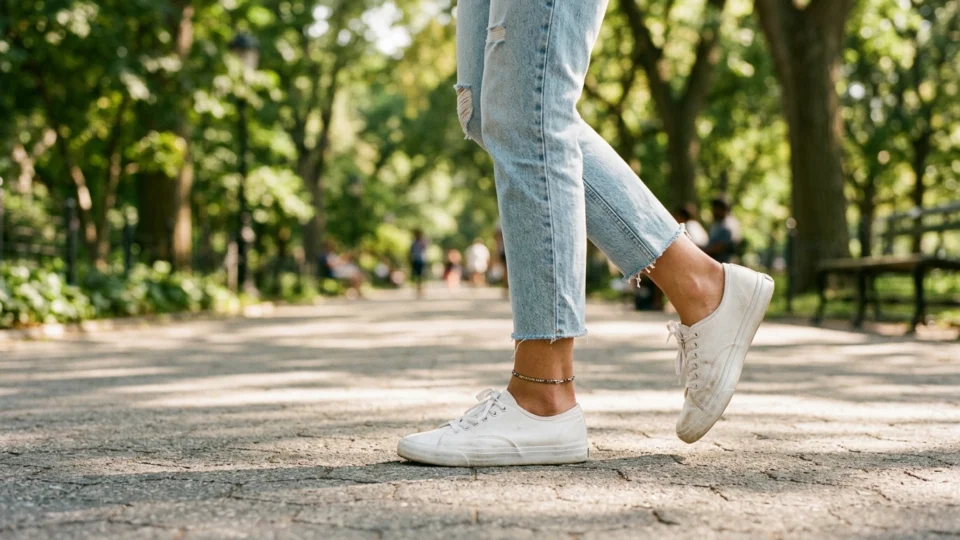
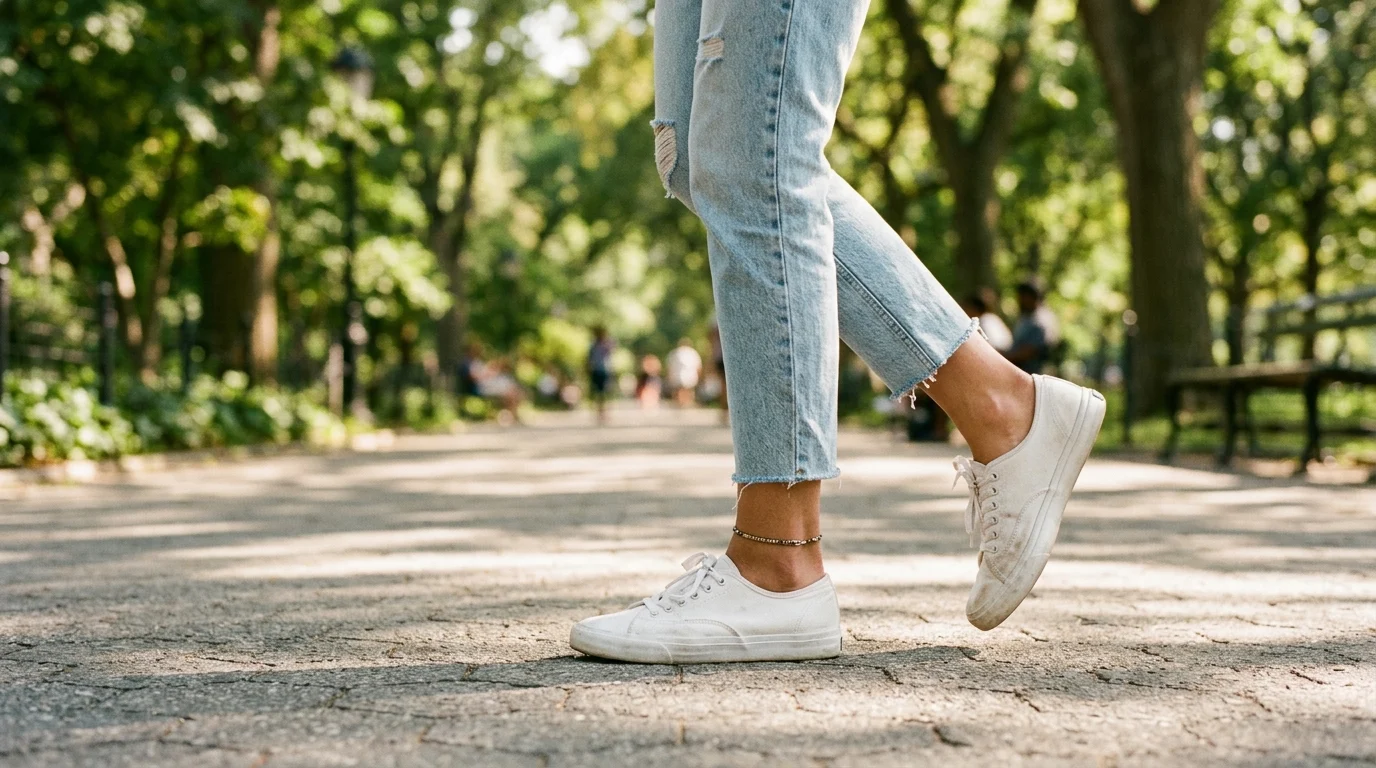
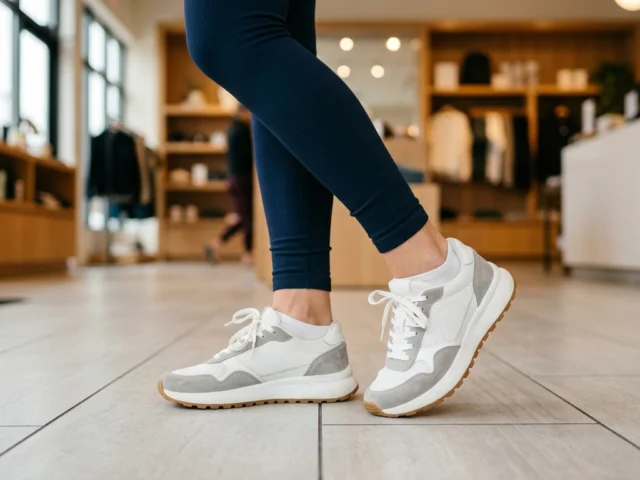
Canvas sneakers feel comfortable enough for a short, casual walk outdoors.
Where Canvas Shoes Genuinely Hold Up for Walking
Canvas shoes are not a bad shoe. They are the wrong shoe for the wrong situation, which is a different problem. In the right situation, they do their job well.
A short walk, generally under twenty to thirty minutes, on flat pavement or indoor flooring
Running errands, a walk to a nearby shop, or getting to a bus stop or metro station
Warm, dry weather, where the lack of waterproofing and the relatively thin sole are not working against you
Occasional wear rather than daily, all-day use, so the flat sole does not have to absorb repeated impact day after day
Someone with no existing foot pain, arch issues or known conditions like plantar fasciitis
Where Canvas Shoes Fall Short for Walking
The further you push a canvas shoe past casual, occasional use, the more its limitations show up.
Minimal cushioning. Most canvas shoes use a thin, flat rubber sole with little to no shock-absorbing material. On a short walk this barely registers. Over a longer distance, your feet and knees take on impact a cushioned sole would normally soften.
Almost no arch support. The flat canvas insole does not hold the natural shape of your foot. If your arches already need support, or you walk for long enough that fatigue sets in, this is usually the first thing you notice.
Canvas absorbs moisture and dries slowly. The fabric upper soaks up rain, puddles and sweat, and does not dry quickly. Wet canvas against skin for an extended walk is uncomfortable and can contribute to blisters.
The sole flattens with repeated use. Whatever cushioning exists compresses further with daily wear, so a canvas shoe that felt fine in its first few weeks can feel noticeably less supportive a few months in.
Not built for uneven terrain. Gravel, broken pavement and uneven ground need more structure underfoot than a flat canvas sole provides.
Canvas Sneaker vs a Dedicated Walking Shoe
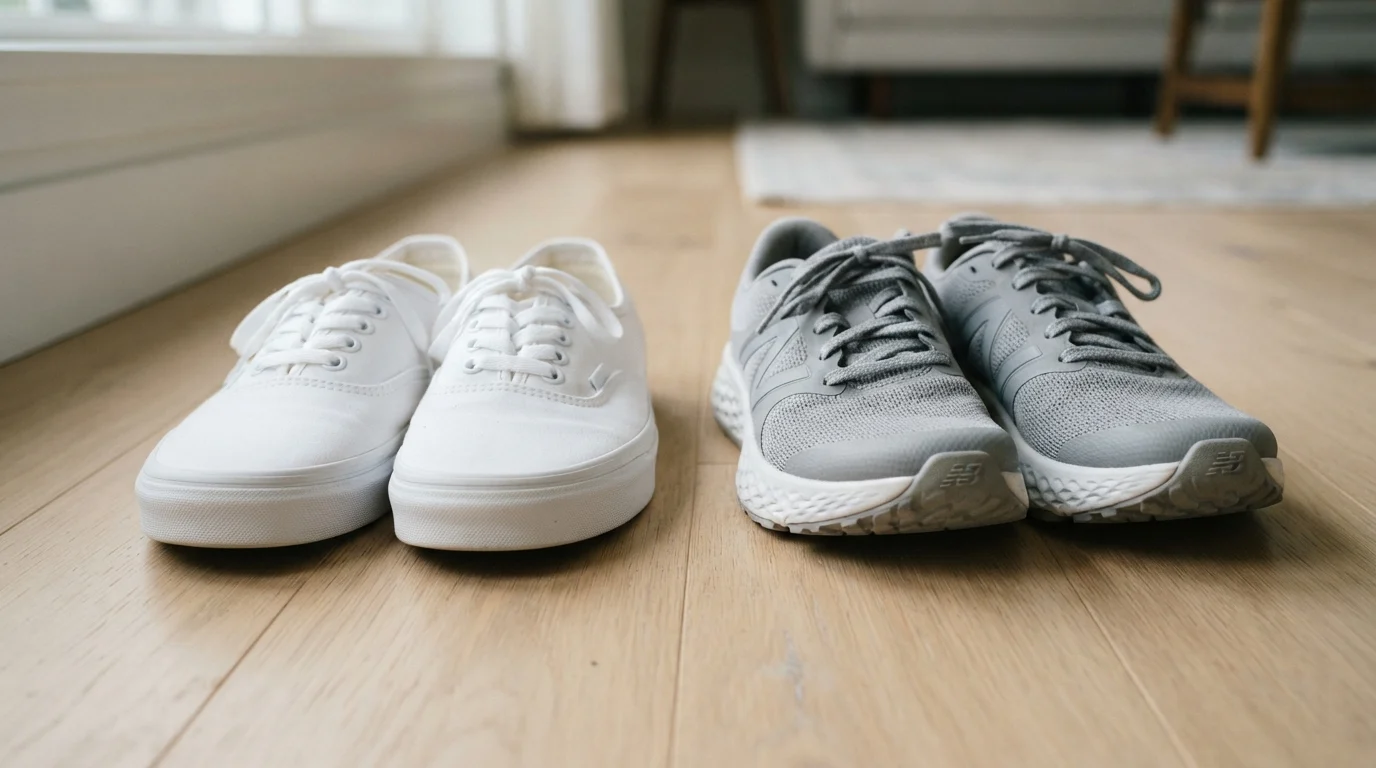
Put side by side, the trade-off is straightforward.
What to Check
Canvas Sneaker
Dedicated Walking Shoe
Cushioning
Minimal, thin flat sole
Noticeably more cushioned for extended wear
Arch support
Little to none
Built in, suited to longer time on your feet
Weather resistance
Poor, canvas absorbs water and dries slowly
Generally better, though this varies by listing
Everyday versatility
Pairs easily with casual outfits
Bulkier, sportier look
Typical price
Usually the more affordable option
Typically costs more
Best for
Short, casual, occasional walking
Regular walking or standing for extended periods
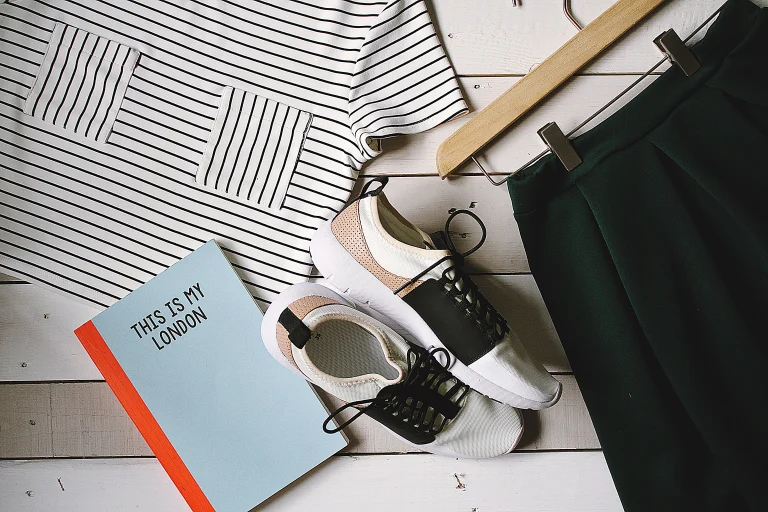
Representative editorial image, not official Amazon product photography.
Research-based evaluation
Classic Canvas Sneakers
Why we picked it: Canvas sneakers in this style stay wearable across more outfits than a chunkier trainer, and tend to be easier on the budget.
Best for
Everyday casual wear, not long-distance walking or workouts.
Strength
Versatile with casual and smart-casual outfits
Watch out for
Minimal cushioning compared to dedicated walking or running shoes
Signs Your Canvas Shoes Are No Longer Working for Walking
Your feet or arches feel sore by midday or early evening, even on days you did not walk more than usual
The sole looks visibly flatter or more compressed than when you bought them
Your feet end up wet after rain, a spill, or just regular sweating during the day
You notice new rubbing, blisters or discomfort that was not there with the same shoes a few months ago
Any one of these on its own is not a reason to panic. All of them together, especially if they show up on days with more walking than usual, are a reasonable sign to switch to a shoe built for the amount of walking you are actually doing.
Final Verdict
Canvas shoes are a genuinely good choice for short, casual walking in dry weather, and there is no reason to replace a pair you are happy with if that is how you use them. The problem only shows up once you start asking a canvas shoe to do a walking shoe’s job: longer distances, daily wear, or standing for hours at a time. At that point, the thin sole and lack of arch support stop being a minor trade-off and start being the reason your feet hurt by the end of the day. Match the shoe to how much walking you are actually doing, not to how it looks in the store.
Don't Miss the Next Guide
Get honest buying guides and comparisons from FIND N FORM, sent straight to your inbox.
This guide is a research-based evaluation using product specifications, general footwear-fit guidance and comparative research. It is not based on personal testing of any single shoe model. For ongoing foot, arch or heel pain, consult a doctor or podiatrist.
Not really. Canvas shoes have little cushioning and almost no arch support, so a long walk tends to tire your feet out faster than it would in a dedicated walking shoe. They work best for short, casual walks rather than extended distances.
Can you wear canvas shoes every day?
You can, if your daily use is light, mostly casual, and does not involve long stretches of walking or standing. If you are on your feet for hours every day, the lack of cushioning tends to catch up with you over time.
Do canvas shoes get ruined if it rains?
They are not destroyed by a single rainy walk, but canvas absorbs water and dries slowly, so wet canvas shoes can feel uncomfortable and may encourage mildew or odor if they stay damp for long. They are not a good choice for regular wet-weather wear.
Do canvas shoes have good arch support?
Generally no. Most canvas shoes use a flat insole with little structure, which does not hold the natural shape of your foot. If you know your arches need support, a dedicated walking shoe is a better fit.
How long do canvas shoes last if you walk in them regularly?
This varies by brand and how often they are worn, but the thin sole on most canvas shoes tends to flatten and lose what little cushioning it had faster than a dedicated walking shoe’s sole would, especially with daily use.
This article may contain Amazon affiliate links. As an Amazon Associate, FIND N FORM earns from qualifying purchases, at no extra cost to you. Our recommendations are never determined by commission.





Leave a Reply