
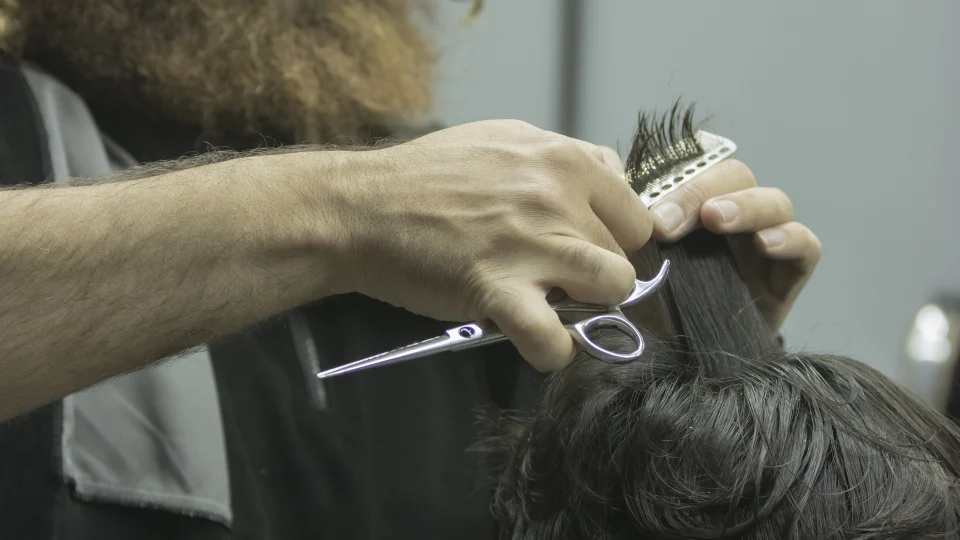

It’s tempting to treat a styling-tool purchase as one decision, but a straightener and a dryer solve different problems and often belong in the same routine rather than competing for the same slot.
Quick answer: A straightener is for smoothing and shaping; a dryer is for the drying step itself. Most routines eventually want both — the real question is which to prioritise buying first.
Straightener vs Ionic Dryer
| Product | Best For | Strength | Limitation | Verdict | Link |
|---|---|---|---|---|---|
 Ceramic Plate Hair Straightener
Recommended
Research-based evaluation Ceramic Plate Hair Straightener
Recommended
Research-based evaluation
|
Occasional to regular home styling, not daily professional-level use. | Smoother, more even styling results | Ceramic coatings can wear down with heavy daily use over time | A sensible mid-range pick for home use. See the comparison below against an ionic dryer for a different styling need. | Check Product |
|
Ionic Hair Dryer
Recommended, with reservations
Research-based evaluation
|
Regular at-home blow-drying where speed and control matter. | Faster drying reduces overall heat exposure | "Ionic" frizz-reduction claims are difficult to verify and vary by hair type — treat as a nice-to-have, not the deciding factor | A reasonable everyday dryer; don't pay a large premium purely for the "ionic" label without other feature differences. | Check Product |
We recommend based on fit for a specific reader, not a single universal winner.
Key Differences
- Job performed: shaping and smoothing vs the drying step itself
- Heat exposure: a straightener applies more concentrated, repeated heat than a dryer
- Frequency of use: dryers are typically used more often than straighteners
- "Ionic" claims on dryers are hard to verify independently and vary by hair type
Our Take
If a routine currently skips a proper hairdryer entirely, that’s often the more foundational purchase. If drying is already handled and the remaining frustration is with smoothing and shape, the straightener is the more direct fix. Neither tool is objectively “better” outside of the specific gap it is meant to fill.
Frequently Asked Questions
Which one is safer for hair health?
Both apply heat, so the meaningful safety factor is technique and heat-protectant use, not the tool alone. Lower, consistent heat settings and proper protection matter more than which device is chosen.
Leave a Reply